
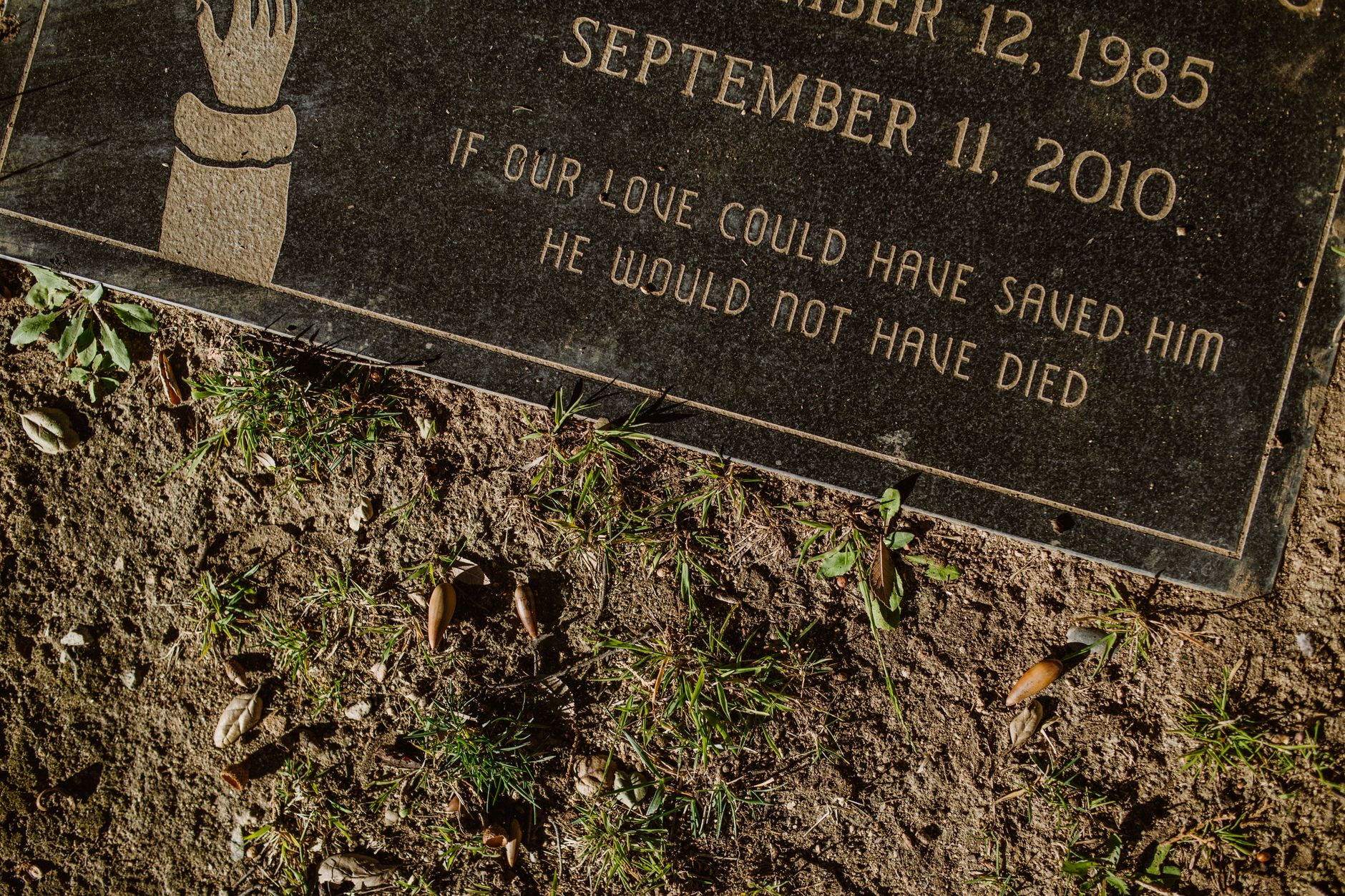
Sympathy and memorial gifts carry a weight that most other engraving jobs don't. The recipient is grieving. The words you choose will be read repeatedly, sometimes for decades, and they need to hold up under that scrutiny. Getting the tone right is less about finding the perfect phrase and more about understanding what the moment actually asks of you.
What sympathy engraving actually needs to do
A sympathy gift isn't given to impress. It's given to say: we remember, and we're with you. The engraving should do the same thing. That means avoiding filler phrases that sound meaningful but aren't ("in loving memory" by itself, without a name or a date, tells the recipient almost nothing). It also means resisting the urge to say too much. Grief is personal. An engraving that reads like a eulogy can feel like it's trying to wrap something up that isn't finished.
The best sympathy engravings share three qualities. They name the person who passed. They mark a time, whether a birth year, a death date, or a range. And they say something specific, even if it's just one word: "Dad", "beloved coach", "our mate." Specificity is what turns a plaque into a keepsake.
Wording formats that work across materials
Whether you're engraving a glass piece, a timber plaque, a photo frame, or a personalised metal item, the layout principles stay consistent. A two-line format is the most versatile: name on the first line, a date range or short phrase on the second. A three-line format gives you room to add a relationship or a brief tribute.
Here are some formats you can adapt directly:
- Two-line, minimal: "James Arthur Reid / 1948–2024"
- Three-line with relationship: "In memory of / Margaret Louise Crane / Beloved mother and grandmother"
- Three-line with phrase: "Thomas Holt / 1955–2025 / Forever in our corner"
- Four-line, full tribute: "For Elaine / Thirty years of quiet kindness / You shaped more lives than you knew / From the team at Northside Primary"
Tone options and when to use each
Not every memorial gift calls for a solemn tone. A gift honouring a sports coach might celebrate the person's energy. A gift for a colleague's family might lean warmer and less formal. Matching the tone to the person matters more than following a template.
Quiet and formal suits older recipients, official memorials, or gifts presented to a family you don't know well. Phrases like "remembered with deep respect" or "in grateful memory of" fit here. Keep the font classic if you have input on the design.
Warm and personal works well when you knew the person closely. "You made everything feel possible" or "The best captain this club ever had" are the kinds of lines that hold meaning for the people who received them. These work on timber plaques, framed prints, and engraved photo frames.
Celebratory isn't common in sympathy engraving, but it's appropriate for someone who lived a long, full life and whose family has asked for a tribute that focuses on joy rather than loss. "A life well and truly lived" or "Eighty-three years of good company" are examples that land well in the right context.
What to avoid
Clichés aren't inherently bad in memorial engraving. "Gone but not forgotten" has survived because it carries genuine feeling. The problem is when a phrase is generic enough to apply to anyone. If the engraving could have been on any plaque in any gift shop, it hasn't done its job.
Avoid rhymes unless they come naturally from something the person actually said or stood for. Forced rhymes draw attention to themselves and away from the person being remembered. Also avoid second-person address ("You were always there for us") on items that will sit on a shelf for a long time. It reads well in a card; it can feel awkward on a permanent object after a few years.
Long quotes from poems or scripture can work, but only if the family has a genuine connection to the source. A quote from the Ode of Remembrance on an RSL tribute plaque carries real meaning. The same quote on a gift for someone's grandmother who had no military connection feels borrowed rather than considered.
Memorial gifts for clubs and organisations
Clubs and sporting organisations often need to honour a member who has passed mid-season or at the end of a year. This sits slightly differently to a personal sympathy gift. The audience is broader, the gift is often displayed publicly, and the words need to resonate with people who had varying degrees of closeness to the person.
In these cases, a two-part engraving works well: a first line that names the person and their role, and a second that honours the contribution rather than the loss. "Pat Sullivan, Club President 2009–2023. His doors were always open." This format gives members something to connect to without requiring a deep personal relationship with the deceased.
For clubs producing an annual award in someone's name, the engraving on the perpetual trophy itself should be brief: the person's name, the years they were active, and the award name. The meaning comes from the award being given each year, not from a long inscription. If you're thinking through how to honour long-serving members more broadly, the same principles around specificity and tone apply.
Practical tips before you send the job to an engraver
Proofread every name and date at least twice, ideally with a second person. A spelling error on a sympathy gift causes real distress and a re-engrave takes time the recipient may not have. Confirm the correct spelling of the full name with the family directly, even if you think you know it. Middle names, preferred names, and surnames with non-standard spellings are common sources of error.
Ask the engraver about character limits for the item you've chosen before you finalise the wording. A small glass item holds far less text than a timber plaque, and trying to compress a four-line tribute into two lines on a small surface rarely works. It's better to choose the right amount of words for the item than to adjust the item to fit the words.
Finally, consider the material in relation to the occasion. Glass and crystal carry a formal gravity that suits memorial tributes for older recipients or official contexts. Timber feels warmer and works well for personal gifts to families. For ideas on how different materials shape the feel of an engraved piece, the comparison between laser engraving and rotary engraving is worth reading before you place an order, since each method produces a different finish on the same material.
Sympathy engraving is slow work. Take the time it deserves.