
Award photography sits in a strange gap at most presentation nights. Organisers spend weeks on the awards themselves, the venue, the run sheet, and the catering, then hand the camera to a volunteer with no brief five minutes before doors open. The result is blurry shots, missed moments, and recipients who have nothing to post or frame. A bit of structure before the night changes everything.
Decide what you actually need to photograph
Not every presentation night needs full event coverage. Some clubs want only the trophy handshake moment. Others want candids throughout the evening, group shots, detail shots of the awards, and posed portraits afterward. Know which camp you're in before you brief anyone.
A useful way to think about it: separate the ceremony shots (the handover, the reaction, the handshake on stage) from the keepsake shots (posed portraits with the trophy, group photos by team or category). Both matter, but they require different setups and different timing. Trying to do both spontaneously, mid-ceremony, is where evenings run late.
If you're running a large night with more than 15 awards, consider building a dedicated photo station off to the side of the stage. Winners cycle through after collecting their award, get a posed shot in good light, and the ceremony keeps moving. This approach is far more forgiving than stopping the whole room for a photo after each presentation.
Brief your photographer before the event
Whether you're using a professional or a club volunteer, they need the same information. Give it to them in writing, not verbally on the night.
- The awards list in order. A photographer who knows the next five categories can position themselves for the right angle before each presenter reaches the lectern.
- Key people to capture. Name the award recipients worth a longer moment: the club champion, the life member being recognised, the junior player winning their first senior trophy.
- Stage layout and lighting. Walk them through the space early in the evening so they know where the dark spots are and where to stand for the cleanest background.
- File delivery format and deadline. Do you need photos the same night for social media? Within 48 hours for the newsletter? Establish this upfront.
For guidance on keeping the evening itself on schedule while all of this is happening, the article on how to get presentations done on time at a large awards night covers the pacing problem in detail.
Stage setup: light is the variable most organisers ignore
Most presentation venues are lit for a dining experience, not a photography one. Warm, dim lighting makes for a pleasant dinner and terrible award shots. You don't need a full lighting rig, but you do need to think about where the presenters will stand.
A simple test: stand on stage the afternoon before the event with your phone camera. Look at what the background contains (a busy banner, a dark curtain, a glowing exit sign) and decide whether it helps or hurts the shot. A single, well-placed backdrop or a clean wall makes every photograph sharper without any editing.
If the venue uses coloured uplighting along the walls, confirm whether the ceremony area itself will stay in neutral white light during presentations. Coloured stage light plays havoc with skin tones in photography, and it's not a problem you can fix in post-production.
Managing the handshake moment
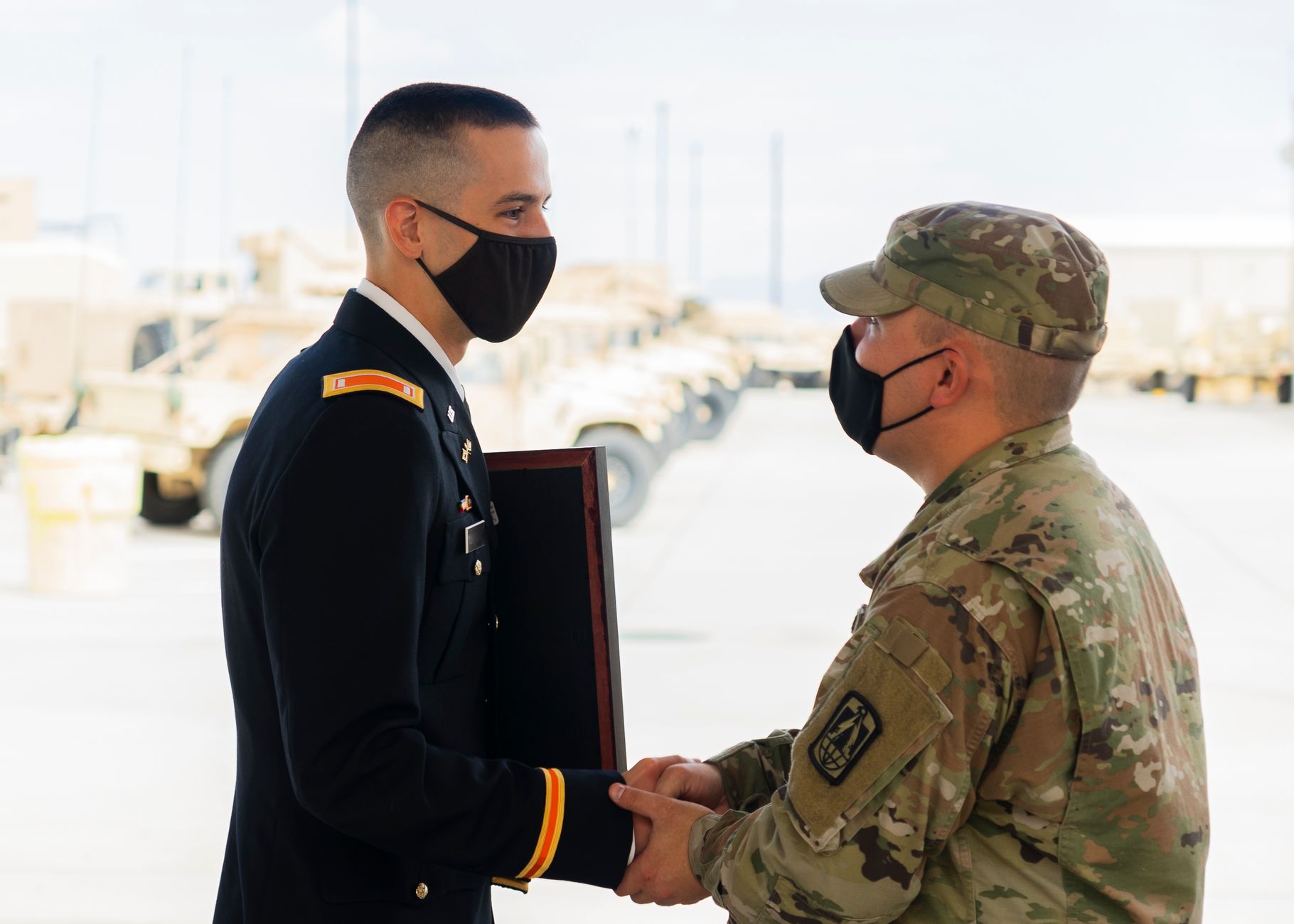
The moment of handing over the trophy is the one shot every recipient actually wants. It's also the one that most consistently goes wrong. Recipients turn away from the camera. Presenters shake hands and step back before the photographer is ready. Someone blinks.
Brief your MC to give a small pause between announcing the winner and the handshake. Three seconds is enough. A good MC can build this in naturally: "Please come up and collect your award" buys a few beats while the winner walks to the stage. That's your window.
Also brief recipients. A slide in your event program, or a short note inside the ceremony booklet, helps: "When collecting your award, please face the audience for a moment before stepping off stage." Most people don't think to do this unless they're told.
The MC briefing process as a whole is worth getting right well before the night starts. The article on how to brief a MC for your presentation night covers what to include and when to deliver it.
Portrait sessions: before or after the ceremony
If recipients want quality portraits with their trophy, the ceremony floor during an active event is the wrong place to take them. The background changes constantly, the light shifts, and there's noise and movement in every frame.
Two options work well. The first is a pre-event session for known winners (in competitions where results are confirmed in advance). Set up a portrait station an hour before guests arrive, shoot in clean light, and the photos are done before the night begins.
The second is a post-ceremony station that stays open during dinner or supper. Winners know where it is and visit at their own pace. This works particularly well for family groups and team photos, where you need more time to organise people without holding up the room.
Sharing and distributing photos after the night
A folder of 300 unedited JPEG files shared on a USB drive is not a useful photo delivery. Decide in advance how photos will reach recipients, and communicate that decision on the night itself.
A shared Google Drive or Dropbox folder, organised by award category, is easy to set up and easy for recipients to navigate. A private Facebook album works for clubs with an active member group. For corporate events, a branded gallery link distributed by email is more professional.
Whatever platform you use, set a clear delivery date and stick to it. Handing someone a trophy is a strong moment. Sending them the photograph of it three weeks later, when the feeling has faded, is a missed opportunity.
When you don't have a dedicated photographer
Not every club has the budget for a professional, and volunteer photographers vary enormously in skill. If you're working with whoever puts their hand up, a few practical constraints help a great deal.
Fix the camera position for ceremony shots. A single spot with a clear sightline to the stage, marked with tape on the floor, stops the photographer wandering into the frame or shooting into the light. A tripod or monopod removes camera shake from the equation entirely. And a fully charged battery, tested before guests arrive, prevents the most embarrassing failure of all.
For the awards themselves, sharp engraving and quality materials make every photograph look more considered. A well-finished trophy under decent light photographs beautifully with almost any camera. That's worth keeping in mind when you're choosing your awards earlier in the planning cycle.
A small investment, a lasting result
Award photography doesn't need to be complicated. It needs to be planned. A short brief, a sensible stage setup, and a clear system for distributing images after the night transforms what is usually an afterthought into one of the most valued parts of the whole event. Recipients remember the photo as much as the trophy.