
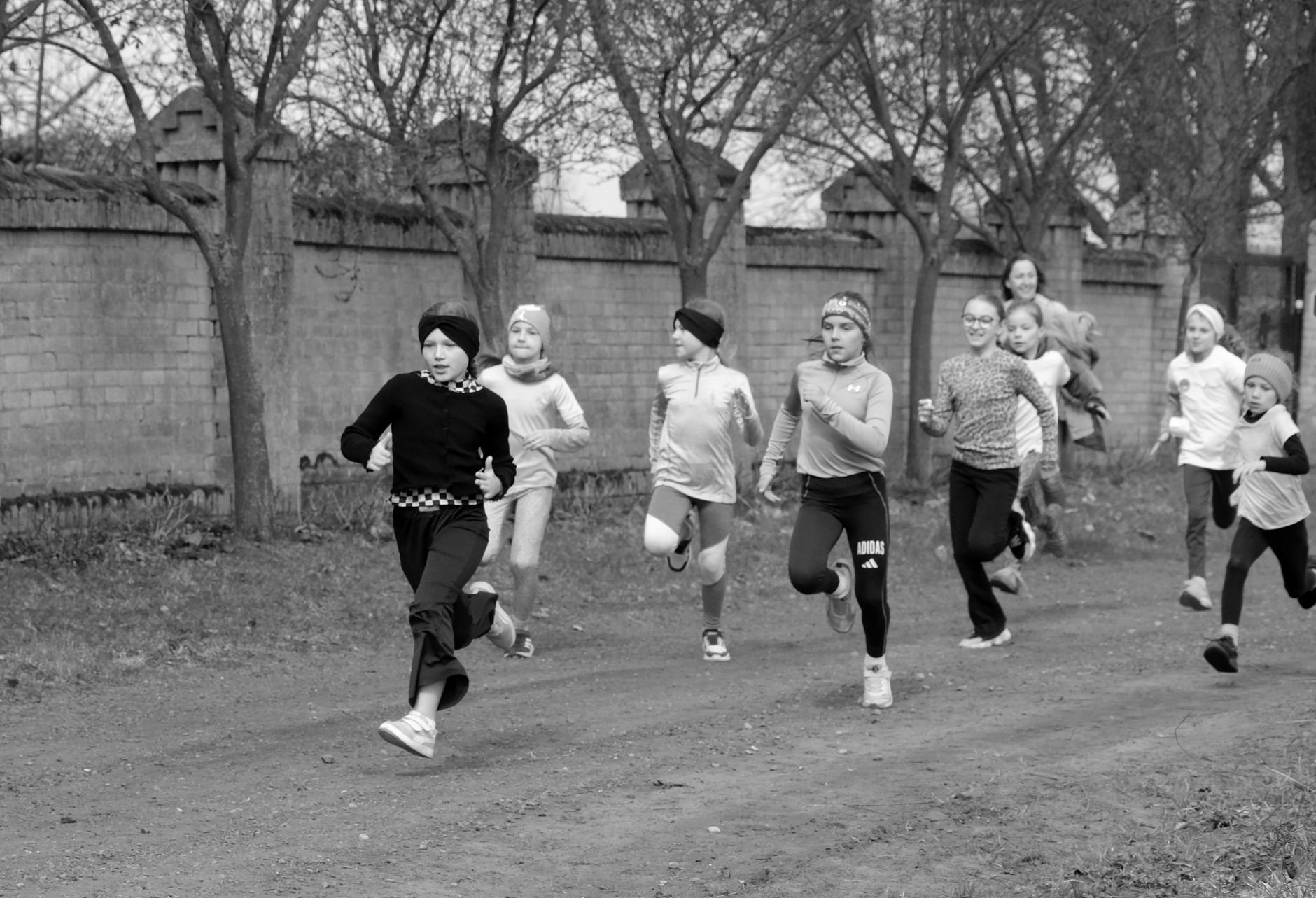
A school sports carnival is one of the few events in the academic year where the whole community comes together: students, teachers, parents and house teams competing side by side. When it runs well, it becomes a day people talk about for years. When it falls apart, it usually comes down to poor scheduling, unclear roles or an awards segment that drags on far too long. This guide covers the planning steps that make the difference.
Start with a realistic schedule and work backwards
The single biggest mistake event coordinators make is building the schedule from the opening event forward, rather than working back from the finish time. Set a hard finish time first. Factor in setup, a brief opening ceremony, each event block, transition times, lunch, and the presentation segment. Only then will you know how many events you can realistically fit in the day.
A useful rule of thumb: allow 10 to 15 minutes of buffer time for every two hours of events. Schools rarely run ahead of schedule, but they frequently fall behind. Buffer time absorbs the inevitable delays without cascading into a rushed, stressful finish.
Assign roles before the day, not on it
Every station needs a staff member who is responsible for it, not just present at it. That means one person per event zone who can start races, record results, handle queries from students and communicate with a central coordinator. A shared roles spreadsheet, distributed at least a week in advance, prevents the frustrating "who's running that?" conversations that eat into event time.
Volunteer parents can fill supporting roles (marshalling students between events, managing canteen queues, collecting litter) but key decision-making roles should stay with staff. Brief all role-holders together at the start of the day so everyone knows the communication chain.
Use a central results station
Rather than having results float between event coordinators and an admin table, designate a single central results station where all event outcomes are recorded in real time. A shared digital spreadsheet on a tablet works well, but a paper tally sheet is perfectly fine if staff have reliable internet connectivity issues (common on oval-based events). The key is that results funnel to one place so that house scores can be updated and displayed throughout the day.
Displaying running totals on a scoreboard or whiteboard keeps students engaged between events. House rivalry is part of what makes a carnival feel alive, and visible scores feed that energy.
Keep the presentation segment tight
The presentation at the end of a sports carnival is the emotional peak of the day, but it's also where carnivals most commonly lose momentum. Students are tired, parents are waiting, and a poorly organised awards segment can deflate what should be a celebratory finish.
A few rules that help: prepare all awards in advance rather than filling them on the day; arrange them in presentation order; keep speeches short (one to two minutes for each major award); and have the next award ready before the current one is finished being presented. If your carnival awards school awards across multiple categories, grouping them logically (individual performance, then house awards, then special recognition) keeps the flow coherent and avoids a repetitive back-and-forth feel.
Choose awards that students will actually keep
A ribbon handed out in a hurry at the end of a long day makes less of an impression than a medal with engraved details on the back. For a school sports carnival, the awards themselves are part of what makes the recognition feel real. Students who earn a medal with their name, their school and the event year on it are far more likely to keep it than one that reads simply "1st Place".
For the more significant awards (champion house, age champions, best and fairest) consider a small trophy or perpetual plaque that lives at the school alongside a personal trophy the recipient takes home. Good medal engraving ideas don't need to be elaborate: the student's name, the event, their placing and the year are enough to transform a generic medal into something genuinely personal.
Communicate clearly with parents
A common source of friction at school sports carnivals is parents who don't know the schedule, can't find their child's age group, or turn up expecting the presentation to be at 2pm when it's running at 3:30pm. A single, clear communication sent to parents at least three days before the event should include:
- The full day schedule with event times
- Where parents can watch from
- Whether they can sign students out early (and the cut-off time for doing so)
- When the presentation ceremony will take place
- A contact number for the day
If parents know the presentation starts at a specific time, they will plan around it. If they don't, they'll either leave early (missing the moment you've been building toward) or hover uncertainly for an hour, which creates logistics headaches of its own.
Debrief after the event
The best-run school carnivals tend to belong to schools that take a short debrief seriously. Within a week of the event, gather the organising team and note three things that worked, three things that didn't, and any changes to make for next year. A single shared document (even a brief email chain) that captures this feedback is worth far more than trying to remember it twelve months later when planning begins again.
It's also worth reviewing the trophy presentation ceremony segment specifically: did the awards feel proportionate to the occasion, did the order flow well, and did each recipient have a genuine moment in front of their peers? These small details are what elevate a functional school carnival into one that students and staff actually look forward to year after year.