
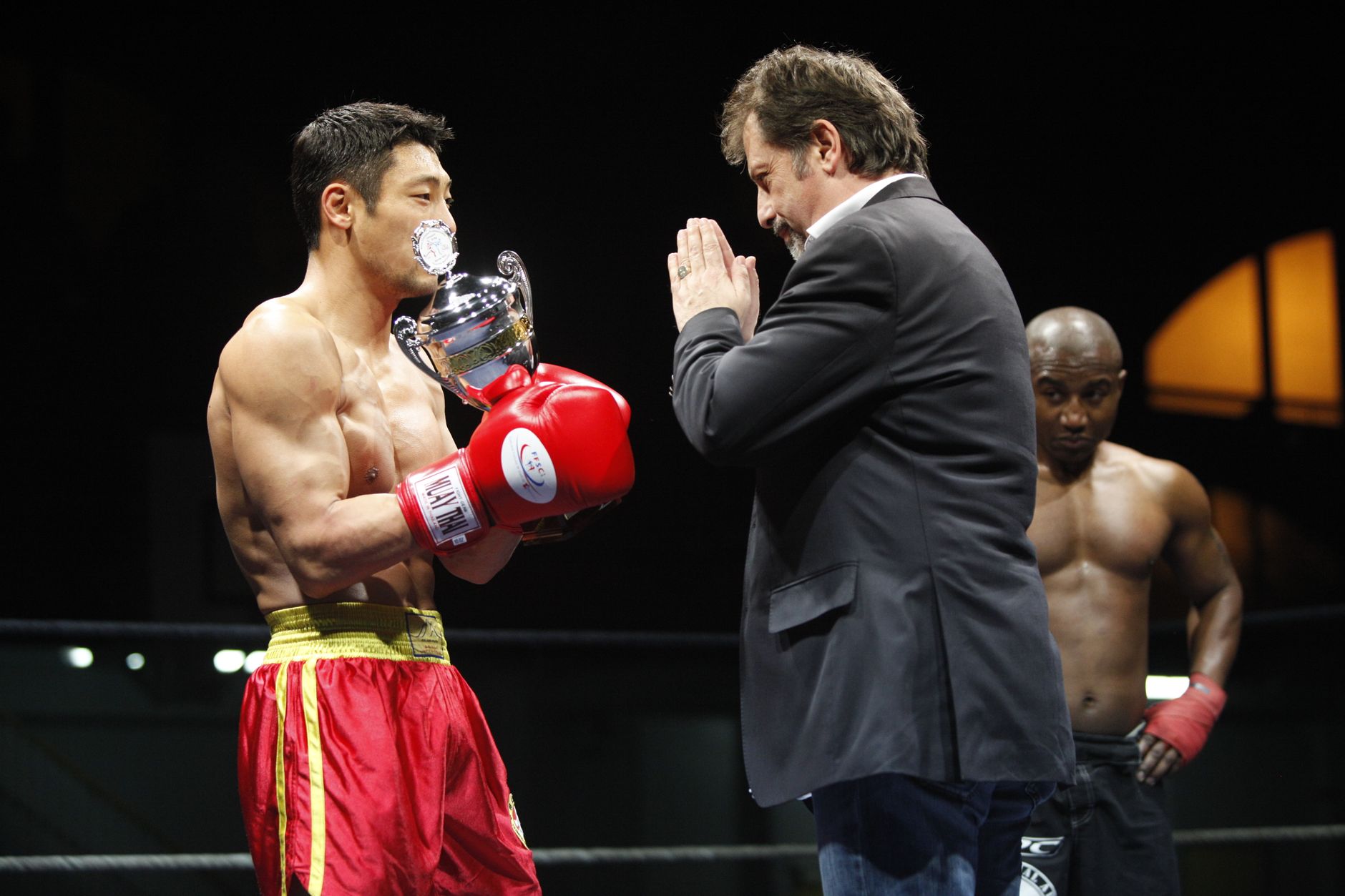
The first question most organisations skip when ordering awards is also the most important one: is this trophy staying in one place, or going home with someone? That single decision shapes everything that follows, from the material you choose to the engraving format, the budget, and who's responsible for the award between events. Perpetual trophies and one-off awards aren't interchangeable, and picking the wrong format creates problems that compound every year.
What actually separates the two formats
A perpetual trophy is a single physical award that passes from winner to winner across multiple seasons or events. Each recipient's name gets added to a plaque on the trophy itself, building a running record of past winners. The award doesn't belong to any one person. It belongs to the competition, the club, or the organisation, and the current winner holds it in trust until the next event.
A one-off award is made specifically for a single recipient and goes home with them permanently. There's no handback date, no list of names to add, no shared custody. The recipient owns it outright from the moment it's presented.
Both formats recognise achievement. Only one of them creates a living document of an organisation's history.
When perpetual trophies make sense
Perpetual trophies work best when the competition itself carries prestige, not just the individual winning it. Long-running club championships, business awards with a tradition behind them, and school awards tied to a founding figure are all good candidates. The trophy becomes a symbol of the award's history rather than a single moment in time.
They also make sense when budget is a factor. One well-made perpetual trophy, properly maintained, costs far less over a decade than commissioning a new award each year. Westlakes Trophies engraves additional name plates and sidebars to extend a perpetual trophy's life without replacing the base piece, which keeps costs predictable.
The logistical side is real, though. Someone has to store the trophy between events, keep it in good condition, and return it before the presentation night. If your organisation doesn't have a reliable process for that, a perpetual trophy becomes a source of friction rather than pride. For a detailed look at managing that process, the guide on perpetual trophies and how to run them covers custody arrangements, insurance considerations, and what to do when a winner goes missing with the award.
When one-off awards are the better choice
One-off awards suit occasions where the personal connection matters more than institutional history. Retirement gifts, employee recognition, academic achievement, and junior sport all fall into this category. The point is the individual recipient, not the lineage of winners before them.
One-off awards are also the right choice when your event attracts a different audience each time. Conference awards, trade show prizes, and community recognition programs often have no repeat winners. A perpetual format would just create a trophy that sits in a cupboard 11 months of the year with a single name on it.
From a design standpoint, one-off awards give you more freedom. You're not constrained by a base that needs to accommodate 20 more name plates over the next two decades. Westlakes Trophies produces one-off awards in glass, crystal, acrylic, timber, metal, and resin, each suited to a different tone and budget.
The hybrid approach: replica trophies
Some organisations solve the problem by running both. The perpetual trophy stays at the venue or with the organisation, and a smaller replica goes home with the winner. This is common in high-profile club championships and named business awards where the winner wants something to display at home or in an office, but the original piece needs to remain intact for the next engraving cycle.
Replica trophies don't have to match the original exactly. A crystal or glass replica at a fraction of the cost of the original still carries the same moment. The key is making sure the engraving on the replica matches what's on the perpetual piece, so the two objects tell a consistent story.
Material considerations by format
Perpetual trophies take a beating over decades. They get transported, handled by multiple people, and sometimes stored improperly. Materials that look beautiful when new but chip, scratch, or tarnish quickly aren't a good fit. Solid metal, quality timber, and thick glass or crystal all hold up well over long cycles. Acrylic, despite being a strong choice for one-off awards, can scratch and yellow over extended periods.
For one-off awards, material choice is driven by the occasion and the recipient. Corporate recognition often calls for glass or crystal. Sporting achievements suit metal or timber. Junior sport and school events can use resin or acrylic without any loss of impact, especially when the engraving is done well. Westlakes Trophies offers laser and rotary engraving across all of these materials, and the right method depends on what the surface can take and how fine the detail needs to be.
Questions to ask before you order
Before committing to a format, work through these three questions:
- Does this award have a history you want to build on, or is it a single moment of recognition?
- Does your organisation have a reliable process for storing and transporting a shared trophy?
- Do you want the winner to walk away with something, or is the moment of presentation the point?
If the answers point in two different directions, the replica model is usually the right compromise. If they all point the same way, the choice is straightforward.
Getting the format right before you think about material, size, or engraving wording saves time and prevents regret. Westlakes Trophies works with clubs, schools, and businesses across Australia to match the right award structure to the occasion. If you're not sure where to start, the guide on how to choose the right award for any occasion is a useful starting point before you get into the specifics of format and material.